How to Choose a DTH Drill Rig
In mining and geological exploration, the down-the-hole (DTH) drill rig is an indispensable piece of core equipment. With countless models and specifications on the market, selecting the best DTH drilling rig for your specific needs requires not just experience, but also a systematic approach. This guide breaks down the key selection criteria, helping you make an informed, cost-effective decision.

1. Understand What a DTH Drill Rig Does (Its Core Role)
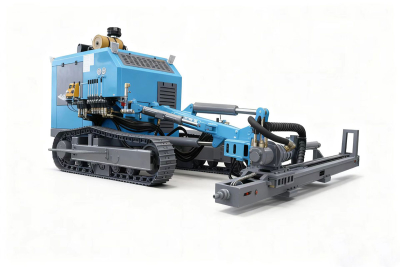
A DTH drill rig is designed for efficient underground drilling. It is widely used in mining, geotechnical engineering, water well drilling, and mineral exploration. Its main job is to deliver high-impact energy directly to the drill bit, crushing hard rock and allowing for deep, straight holes. Think of it as your "underground pioneer" – reliable, powerful, and built for tough environments.
2. Define Your Operational Needs First
Before comparing any DTH drilling machine, clearly answer these two questions:
What is your main application – open-pit mining, underground blast hole drilling, or geological exploration?
What is the required hole depth and diameter?
For example, if you regularly drill holes deeper than 100 meters, a shallow-hole DTH rig won't work. You’ll need a deep-hole DTH drilling rig designed for higher impact energy and dust control. Matching the machine to your job site is the first step toward high-efficiency drilling.
3. Focus on Key Performance Parameters
To choose a reliable down-the-hole drill rig, pay close attention to these three technical specs:
Drilling Speed (Penetration Rate)
Faster drilling speed means higher productivity. However, don't chase speed alone – balance it with stability and energy efficiency. The best DTH hammer drill rig offers consistent speed even in changing rock conditions.
Torque
Higher torque enables the rig to handle fractured formations and hard igneous rocks. A powerful torque output reduces the risk of stuck pipes and improves hole quality. For complex geologies, a high-torque DTH blasthole drill is a safer investment.
Weight & Portability
If your operation moves between remote mountain sites or underground tunnels, a lightweight and compact DTH drilling unit can dramatically reduce transport costs and setup time. Portable DTH drill rigs with modular frames are ideal for limited-access areas.
4. Don’t Overlook Brand Reputation and After-Sales Support
For long-term reliability, choose a DTH drill rig manufacturer with proven market experience. Well-known brands offer better quality control, technical documentation, and – most importantly – after-sales service.
Make sure the supplier provides:
Spare parts availability (wear parts like drill bits, hammers, and pipes)
Technical hotline or on-site support
Training for your crew
A DTH drill rig is a long-term partner. Without timely service, a small failure can delay your entire project.
5. Calculate Total Cost of Ownership, Not Just Purchase Price
A high-performance DTH drilling machine may have a higher upfront price, but it often delivers lower operating costs per meter drilled – thanks to better fuel efficiency, longer bit life, and less downtime.
If you have a tight budget, consider a certified used DTH drill rig. However, always request a full performance inspection and safety check before purchase. Never compromise on hydraulic systems, air compressors, or mast integrity.
6. Do Your Market Research – Compare Before You Decide
Before finalizing your choice, conduct thorough market research:
Read user reviews and case studies from similar mining operations.
Ask for detailed spec sheets and test reports from at least three suppliers.
If possible, arrange a live demonstration or visit a nearby job site using the same model.
Comparing side by side will help you avoid costly mistakes and find the best DTH drilling solution for your specific geology and production targets.
Conclusion

Choosing the right down-the-hole drill rig takes time, but focusing on your application, performance specs, brand support, and total cost will lead you to a reliable machine. A well-selected DTH drill rig not only boosts productivity and reduces drilling costs but also opens up new possibilities in your mining or exploration projects.
Be thorough in your evaluation – your ideal "underground partner" is out there, ready to handle the toughest rock conditions with efficiency and precision.
Frequently Asked Questions (FAQ)
Q1: What is the difference between a DTH drill rig and a top-hammer drill rig?
A: A DTH drill rig places the hammer directly behind the bit at the bottom of the hole, delivering straight, powerful blows for deep, straight holes in hard rock. A top-hammer drill strikes from the surface and is better suited for shallower holes or softer formations. For holes deeper than 15–20 meters in hard rock, DTH is generally more efficient.
Q2: How do I decide the right air compressor size for my DTH drill rig?
A: The compressor must provide enough air volume (CFM or m³/min) and pressure (PSI or bar) to efficiently power the DTH hammer and flush cuttings from the hole. Check your hammer manufacturer’s recommended air requirements – using undersized air will reduce penetration rate and cause bit wear.
Q3: What maintenance does a DTH drill rig need regularly?
A: Key daily checks include lubrication of the hammer, inspection of drill bits for wear, greasing of rotary head bearings, and cleaning of air filters. Weekly or monthly, check hammer internal parts (check valve, piston, driver sub) and torque of mast bolts. Always follow the OEM service schedule.
Q4: Can a DTH drill rig be used for water well drilling?
A: Yes, many DTH drill rigs are designed for water well drilling, especially in hard rock areas. Look for rigs with larger hole diameter capacity (6–12 inches or more) and efficient dust collection or mud rotary conversion options.
Q5: How long do DTH drill bits typically last?
A: Bit life depends on rock hardness, abrasiveness, and proper operation. In medium-hard granite, a quality cemented carbide DTH bit may last 800–1,500 meters. In very abrasive quartzite, life could drop to 300–500 meters. Regular re-grinding and correct rotation speed extend bit life significantly.