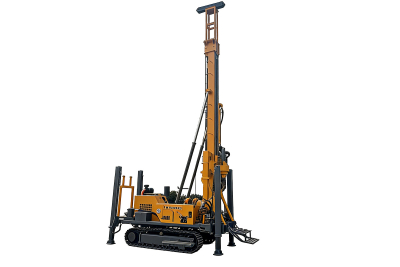
Solar Pile Driver for Different Soil Conditions
The foundation is one of the most important parts of a solar photovoltaic project. Before solar panels can be installed, piles must be accurately driven into the ground to create a stable support structure. However, soil conditions can vary significantly from one project site to another. Choosing the right solar pile driver according to the local soil conditions can directly affect installation efficiency, drilling performance, construction quality, and overall project costs.
For solar contractors, EPC companies, and equipment buyers, understanding the relationship between soil conditions and piling equipment is therefore essential. The right solar pile driving machine should not only provide sufficient driving force but also offer the mobility, stability, and working flexibility required by the specific project environment.

Why Soil Conditions Matter for Solar Pile Driving
Different types of soil have different levels of density, hardness, moisture, and resistance. These characteristics influence how easily a pile can penetrate the ground.
For example, loose sandy soil may allow relatively fast pile penetration, while compacted clay can create much greater resistance. Gravel layers, weathered rock, and mixed geological conditions may require stronger impact or drilling capabilities.
If the selected equipment does not match the soil conditions, several problems may occur. The machine may work inefficiently, pile installation may take longer, or additional drilling processes may be required. In some cases, unsuitable equipment can also affect pile positioning and foundation quality.
This is why soil investigation should be considered before selecting PV foundation construction equipment.
1. Sandy Soil and Loose Soil
Sandy soil is common in many solar farm projects, particularly in large open areas and dry regions. Loose or medium-density sand generally offers relatively low penetration resistance compared with hard soil.
For these conditions, a solar piling machine with appropriate impact energy and stable operation can provide efficient pile installation. However, extremely loose sand may present another challenge: maintaining pile alignment and foundation stability.
In these environments, machine stability and operator control are particularly important. A suitable solar pile driver should allow the operator to position the pile accurately before driving.
For large solar farms located on sandy ground, crawler-mounted equipment can also provide useful mobility, especially when construction areas are extensive or the ground surface is uneven.
2. Clay and Compact Soil
Clay soil can range from soft and moist to highly compacted and hard. As soil density increases, pile penetration resistance also increases.
For compact clay, contractors may require a hydraulic solar pile driver with sufficient hydraulic power and impact performance. Hydraulic systems can provide strong and consistent working force, making them suitable for demanding photovoltaic foundation construction.
The machine should also provide accurate control during pile driving. Excessive force without proper control may affect the pile or cause unnecessary vibration.
When working with clay, contractors should consider both the hardness of the soil and its moisture content. Conditions can change significantly between dry and wet seasons, so equipment selection should account for the expected construction environment rather than relying on a single soil characteristic.
3. Gravel and Mixed Soil Conditions
Some solar project sites contain gravel, stones, or mixed layers of sand, clay, and rock. These conditions can be more challenging because soil resistance may change quickly during the piling process.
A standard piling method may not always be sufficient when piles encounter harder underground layers. Depending on the project requirements, a solar pile driver equipped with drilling capabilities can provide greater flexibility.
For example, drilling can be used to prepare a hole before pile installation when direct driving becomes difficult. This type of combined approach can be particularly useful for photovoltaic projects with variable geological conditions.
A photovoltaic pile driver designed for flexible drilling and piling operations can help contractors adapt to different ground conditions without changing the entire construction process.
4. Rocky and Hard Ground
Hard ground and shallow rock layers represent some of the most demanding conditions for solar foundation construction. Direct pile driving may become difficult when the pile encounters rock or highly weathered geological layers.
In such situations, equipment with stronger drilling performance may be required. A solar pile driving machine with rotary drilling and impact drilling capabilities can provide additional flexibility for challenging sites.
The selection should be based on the actual geological survey, required pile depth, pile diameter, and construction method. There is no single machine configuration that is ideal for every type of rock or geological formation.
For contractors working on difficult terrain, choosing versatile PV foundation construction equipment can reduce the need for additional equipment and help improve project efficiency.

5. Soft or Wet Soil
Soft soil and wet ground create different challenges. The main issue may not be pile penetration but machine stability.
If the ground has low bearing capacity, heavy equipment may have difficulty moving or maintaining a stable working position. In this situation, a crawler solar pile driver can be advantageous because crawler tracks generally provide better ground contact and mobility than conventional wheeled equipment.
When selecting equipment for wet or soft ground, contractors should consider machine weight, track configuration, ground pressure, climbing ability, and overall stability.
The goal is not simply to choose the most powerful machine. Instead, the equipment should provide an appropriate balance between piling performance and mobility.
Consider Terrain as Well as Soil
Soil conditions are only one part of equipment selection. Terrain can also have a major impact on solar pile installation.
Large utility-scale solar farms may cover hundreds of acres, with construction areas including slopes, rough ground, narrow access routes, or uneven surfaces. A machine with strong mobility can help reduce equipment relocation time between pile positions.
For uneven terrain, a crawler solar pile driver may provide better adaptability. Its crawler chassis can help the machine move across rough construction sites while maintaining a stable working platform.
For relatively flat and accessible projects, other configurations may be more suitable depending on the required pile-driving method and project scale.
Key Factors to Consider Before Buying a Solar Pile Driver
Before purchasing a solar pile driver, contractors should evaluate several factors instead of focusing only on machine power.
Soil and Geological Conditions
Obtain information about soil density, geological layers, groundwater conditions, gravel content, and rock distribution. A basic geological survey can provide valuable information for equipment selection.
Pile Type and Size
Different photovoltaic projects may use different pile materials, profiles, lengths, and diameters. The selected solar piling machine should be compatible with the piles specified in the project design.
Required Pile Depth
Pile depth can vary according to project design, soil conditions, wind loads, and foundation requirements. Equipment should have sufficient working capability for the required installation depth.
Project Scale
Small commercial PV projects may have different equipment requirements from utility-scale solar farms. Large projects generally place greater emphasis on productivity, mobility, continuous operation, and ease of maintenance.
Terrain and Mobility
If the construction site contains slopes, soft ground, or uneven terrain, machine mobility becomes particularly important. A crawler-mounted photovoltaic pile driver may be a suitable option for challenging sites.
Drilling and Piling Capability
If geological conditions are variable, choosing equipment with multiple working functions can provide greater flexibility. Depending on the machine configuration, drilling and pile driving capabilities can help contractors respond to changing ground conditions.
Choosing the Right Equipment for Efficient PV Construction
There is no universal solar pile driver that is perfect for every soil condition. The most suitable equipment depends on the combination of soil characteristics, terrain, pile specifications, project scale, and construction requirements.
For relatively soft or sandy soil, contractors may prioritize efficient pile penetration and accurate positioning. For compact clay or mixed soil, stronger hydraulic and impact performance may be more important. For rocky or complex geological conditions, drilling capability can provide additional flexibility. For soft or uneven terrain, crawler mobility and machine stability should receive greater attention.
Working with an experienced solar pile driver manufacturer can also help contractors select the appropriate machine configuration according to their project requirements. Manufacturers with experience in different PV construction environments can provide equipment recommendations based on soil conditions, pile specifications, and expected working conditions.
Selecting the right solar pile driver for different soil conditions is an important step in successful photovoltaic foundation construction. Soil resistance, geological structure, terrain, pile specifications, and project scale should all be considered before equipment is purchased or deployed.
By matching the piling machine to the actual construction environment, contractors can improve installation efficiency, maintain better pile positioning, and reduce unnecessary downtime.
As global solar power development continues to expand, reliable solar foundation construction equipment will remain an important part of PV project development. Whether the project involves sandy soil, compact clay, gravel, rocky ground, or uneven terrain, selecting the right solar pile driving machine can provide a strong foundation for efficient and reliable solar installation.