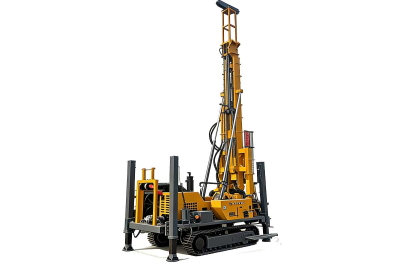
Factors Affecting Solar Pile Driving Efficiency
As solar energy projects continue to expand worldwide, improving construction efficiency has become a major priority for solar developers, EPC contractors, and photovoltaic installation companies. Before solar panels can be installed, foundation piles must be driven into the ground according to the project design. The speed and quality of this process directly influence the overall construction schedule.
A reliable Solar Pile Driver can help contractors complete foundation installation more efficiently. However, actual piling performance depends on several factors, including soil conditions, pile specifications, machine configuration, operator experience, and construction planning.
Understanding these factors helps project managers select suitable equipment, reduce unnecessary downtime, and improve the productivity of solar foundation construction. This article explores the key factors affecting solar pile driving efficiency and explains how the right equipment and working methods can support successful photovoltaic projects.
1. Soil Conditions and Geological Characteristics
Soil conditions are among the most important factors affecting solar pile driving efficiency. Different soil types create different levels of resistance when piles are driven into the ground.
Loose sand may allow relatively easy pile penetration, while compact clay, gravel, and hard geological layers can require more force or additional drilling operations.
For solar projects located in areas with mixed soil conditions, construction teams should conduct a site investigation before choosing a Solar Pile Driving Machine. Understanding the soil profile helps contractors determine whether direct pile driving, drilling assistance, or a combined construction method is appropriate.
In particularly challenging ground conditions, a Hydraulic Solar Pile Driver with suitable working power and a compatible drilling system may provide greater flexibility.
Selecting equipment according to actual geological conditions can help avoid inefficient operations, unnecessary equipment adjustments, and delays caused by unsuitable construction methods.
2. Solar Pile Specifications and Installation Requirements
Pile specifications also have a significant influence on construction efficiency. Solar foundation projects may use different pile lengths, diameters, cross-sectional shapes, and materials depending on the mounting system and engineering design.
Larger or longer piles may require different handling methods and more demanding installation conditions. The machine must be compatible with the pile specifications and the required installation depth.
Before selecting a Photovoltaic Pile Driver, contractors should confirm the following details:
* Pile material and cross-sectional shape
* Pile length and diameter
* Required installation depth
* Foundation design and positioning requirements
* Whether pre-drilling is necessary
A mismatch between the piling machine and the required pile specifications may lead to additional setup time or reduced working efficiency.
Choosing a suitable **Solar Piling Machine** helps establish a more consistent installation process and reduces the likelihood of equipment-related interruptions.
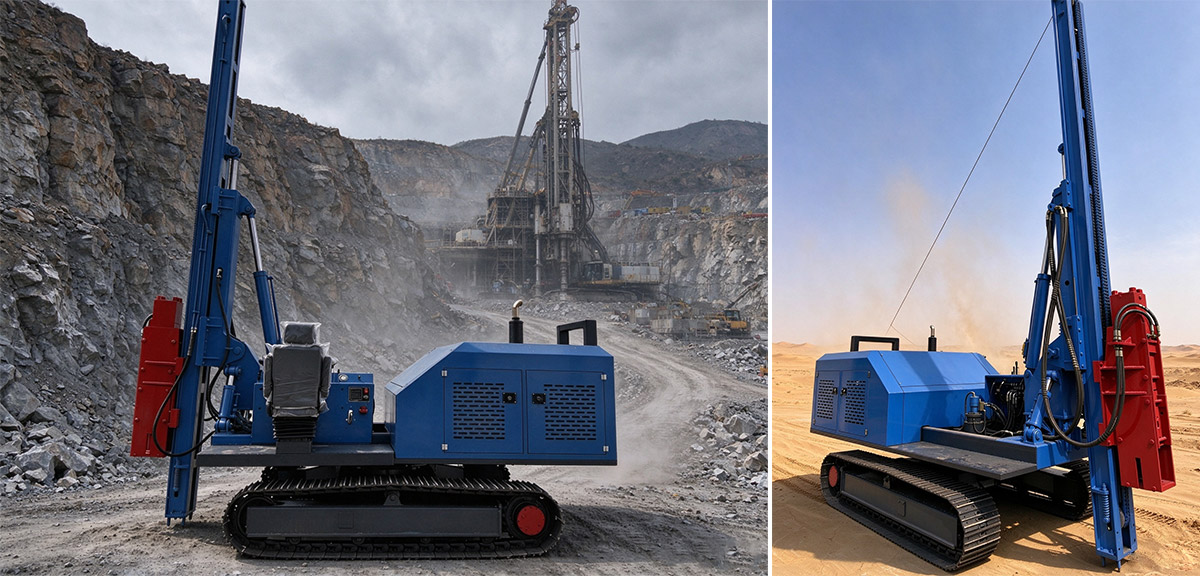
3. Equipment Performance and Hydraulic Power
The performance of the piling equipment directly affects how efficiently foundation work can be completed.
A Hydraulic Solar Pile Driver uses a hydraulic system to power different working mechanisms, depending on the machine design. These may include the piling hammer, drilling system, mast movement, and other operational functions.
Appropriate hydraulic power and well-matched machine components can help maintain stable performance throughout repetitive piling operations.
However, higher power does not automatically guarantee higher productivity. The equipment must be matched to the pile specifications, geological conditions, and construction method.
Contractors should also evaluate machine reliability, ease of operation, maintenance requirements, and the availability of technical support. These factors are particularly important for large-scale photovoltaic projects where prolonged equipment downtime can affect the overall schedule.
4. Machine Mobility and Construction Terrain
The ability to move efficiently between pile positions is another important factor affecting solar pile driving efficiency.
Large solar farms may cover extensive areas, requiring equipment to travel frequently between working locations. If the terrain is uneven, muddy, sandy, or sloped, equipment mobility becomes even more important.
A Crawler Solar Pile Driver can provide useful mobility on many outdoor construction sites. Its crawler tracks distribute machine weight over a larger contact area than conventional wheels, which can help improve traction and reduce ground pressure.
Crawler-mounted equipment may be particularly suitable for:
* Large utility-scale solar farms
* Uneven construction sites
* Soft or loose ground
* Remote photovoltaic projects
* Sites with limited access roads
The most appropriate configuration depends on the actual terrain and machine specifications. Selecting equipment with suitable mobility can reduce relocation difficulties and help maintain a continuous workflow.
5. Operator Experience and Operating Procedures
Even advanced equipment requires proper operation to achieve consistent performance.
Experienced operators understand how to position the machine, align piles, select appropriate operating methods, and respond to changing ground conditions. Their skills can help reduce positioning errors, unnecessary adjustments, and avoidable interruptions.
Standardized operating procedures are equally important. Before work begins, the construction team should confirm the pile positions, review the site conditions, and inspect the machine.
Operators should follow the manufacturer's operating instructions and use suitable working parameters for the specific machine and application.
Training is particularly valuable when equipment is used for the first time or when construction conditions differ significantly from previous projects.
Improving operator skills and establishing consistent procedures can help contractors make better use of their Solar Pile Driver and maintain more predictable construction performance.
6. Construction Planning and Workflow Management
Efficient solar pile installation requires more than a high-performance machine. Proper planning helps ensure that equipment, materials, and personnel are available when needed.
Poor site organization can create unnecessary delays. For example, piles may not be delivered to the correct work area, equipment may need to travel excessive distances, or different construction teams may interfere with one another's work.
To improve workflow efficiency, project managers should:
* Plan pile installation sequences in advance
* Organize pile transportation and storage
* Confirm pile positions before equipment arrives
* Coordinate machine movement with other construction activities
* Monitor daily progress and identify recurring delays
For large photovoltaic projects, a well-organized workflow helps reduce idle time and supports smoother coordination between foundation installation and subsequent mounting structure construction.
Combining effective planning with suitable Solar Foundation Construction Equipment can improve overall project productivity.
7. Equipment Maintenance and Downtime Prevention
Regular maintenance is essential for maintaining reliable piling performance. Wear, hydraulic leaks, damaged components, or neglected maintenance can interrupt construction and increase repair costs.
Before daily operation, operators should inspect key machine components according to the manufacturer's maintenance guidelines. Depending on the model, these checks may include the hydraulic system, hoses, connections, crawler tracks, piling hammer, drilling components, and other working mechanisms.
Scheduled maintenance can help identify potential problems before they cause unexpected downtime.
Contractors should also ensure that replacement parts and technical support are available when required, particularly when equipment is operating at remote solar farm construction sites.
A well-maintained Solar Pile Driving Machine is more likely to deliver consistent performance throughout a demanding construction schedule.
8. Weather and Environmental Conditions
Weather can influence both equipment performance and working conditions.
Heavy rain may soften the ground, reduce traction, or restrict access to certain areas. High temperatures can place additional demands on cooling systems and hydraulic components. Strong winds may also affect site safety and the handling of long piles.
Construction teams should consider local weather patterns when developing project schedules. Appropriate site drainage, safe access routes, and regular equipment inspections can help reduce weather-related interruptions.
For projects in deserts or other demanding environments, contractors should pay particular attention to machine cooling, dust control, and the manufacturer's recommended operating conditions.
Selecting suitable Solar Farm Construction Equipment and preparing for local environmental conditions can help improve construction continuity.
9. How to Improve Solar Pile Driving Efficiency
Although not every factor can be controlled, contractors can take practical steps to improve solar pile driving performance.
First, conduct a site investigation to understand the soil and terrain. Second, select a piling machine that matches the required pile specifications, installation depth, and construction method. Third, train operators and establish standardized operating procedures.
In addition, organize materials and equipment carefully, follow a preventive maintenance schedule, and monitor construction progress regularly.
For projects with changing geological conditions, equipment with suitable drilling and piling capabilities may provide additional flexibility. For uneven terrain, a crawler-mounted configuration may help improve mobility.
The objective is not simply to maximize the speed of individual piling operations. Instead, contractors should aim for a balanced combination of productivity, installation accuracy, equipment reliability, and construction quality.
Solar pile driving efficiency depends on a combination of geological, technical, operational, and management factors. Soil conditions, pile specifications, hydraulic performance, machine mobility, operator experience, workflow planning, maintenance, and weather can all influence the speed and consistency of foundation installation.
Choosing the right Solar Pile Driver is an important first step. By matching the equipment to the project requirements and combining it with effective construction management, contractors can reduce avoidable downtime and improve the overall efficiency of photovoltaic foundation work.
As utility-scale solar farms continue to develop around the world, reliable Solar Pile Driving Machines, Hydraulic Solar Pile Drivers, and Crawler Solar Pile Drivers will remain important equipment for modern solar construction.
For solar developers, EPC contractors, and equipment buyers, understanding these efficiency factors can support better purchasing decisions and more effective project planning.