Key Factors Affecting Drilling Efficiency at 300m and Beyond
Drilling efficiency is a critical consideration when selecting a 300m water well drilling rig or other deep well drilling equipment. As drilling projects reach depths of 300 meters and beyond, construction becomes more challenging due to changing geological conditions, increased drilling resistance, equipment requirements, and operational costs.
For drilling contractors, agricultural water projects, and industrial water supply companies, improving drilling efficiency means more than simply increasing drilling speed. It also involves maintaining stable operations, reducing unnecessary downtime, selecting suitable drilling methods, and controlling overall project costs.
Understanding the key factors affecting deep well drilling efficiency can help buyers choose the right equipment and make better decisions before starting a project.
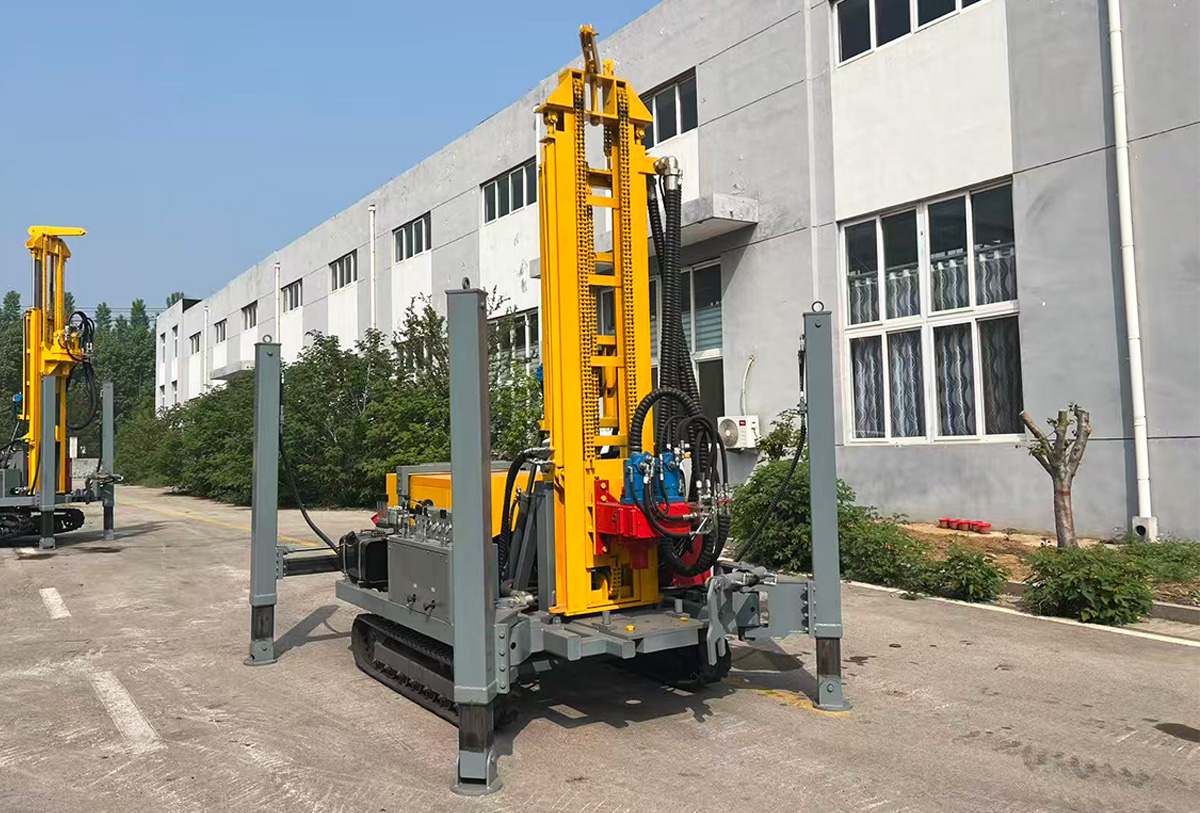
1. Geological Conditions and Formation Changes
Geological conditions are among the most important factors affecting drilling efficiency at depths of 300m and beyond.
Different formations create different levels of drilling resistance. Soil, clay, sand, gravel, weathered rock, and hard rock each require suitable drilling tools and operating methods.
For example:
Soil and clay formations: Drilling may be relatively straightforward, but unstable borehole walls can create additional challenges.
Sand and gravel formations: Loose materials may affect borehole stability and require appropriate drilling fluid or other hole-support measures.
Weathered rock: Changes in rock hardness can influence drilling speed and tool wear.
Hard rock formations: Higher drilling resistance may require suitable rock-breaking tools and a properly matched drilling system.
Another challenge is that geological conditions may change significantly as drilling depth increases. A formation that is relatively easy to drill near the surface may become much harder at greater depths.
Therefore, buyers should provide equipment manufacturers with as much geological information as possible before purchasing a deep well drilling rig. This helps determine the appropriate configuration for local ground conditions.
2. Choosing the Right Drilling Method
The drilling method directly influences drilling efficiency, borehole quality, and operating costs.
Different methods are suitable for different geological environments. Common methods used in water well drilling include rotary drilling, mud rotary drilling, and down-the-hole (DTH) hammer drilling.
Rotary Drilling
Rotary drilling uses a rotating drill bit to break and remove soil or rock. It is commonly used in suitable soil and mixed formations.
Its efficiency depends on factors such as drill bit selection, rotation parameters, feed pressure, and geological conditions.
Mud Rotary Drilling
Mud rotary drilling uses circulating drilling fluid to carry cuttings out of the borehole. The fluid also helps cool the drill bit and support borehole stability.
This method is often considered when drilling through loose or unstable formations. However, drilling fluid properties and circulation conditions need to be managed properly.
DTH Hammer Drilling
DTH hammer drilling uses compressed air to operate a hammer near the drill bit. Repeated impacts break rock formations and help achieve effective drilling in suitable hard rock conditions.
The performance of this method depends on the compatibility of the hammer, drill bit, air compressor, and drilling rig.
Selecting the right drilling method according to geological conditions can help avoid unnecessary delays, excessive tool wear, and inefficient drilling operations.
3. Equipment Configuration and Drilling Capacity
A suitable deep well drilling rig needs to match the requirements of the entire project.
When drilling reaches 300 meters or more, buyers should look beyond the advertised maximum drilling depth. They should also evaluate the machine's overall configuration and whether its systems are suitable for the intended drilling conditions.
Important factors include:
Rotary system performance
Hydraulic system stability
Feeding and lifting capacity
Mast structure and working stability
Compatibility with drill pipes and drilling tools
Support for the selected drilling method
The rotary system provides the force required to turn the drilling tools, while the feeding and lifting systems control drill pipe movement during construction.
The hydraulic system coordinates important machine functions. Stable operation and proper system matching can help reduce interruptions during long drilling operations.
Buyers should also confirm that the rig is compatible with the required drill pipes, drill bits, and auxiliary equipment.
A properly configured deep water well drilling rig can help maintain more consistent working conditions throughout the project.
4. Drill Bit and Drill Pipe Selection
Drill bits and drill pipes have a direct influence on drilling efficiency.
An unsuitable drill bit may reduce rock-breaking efficiency, increase wear, or create difficulties when drilling through changing formations.
The selection of drilling tools should consider:
Geological formation and rock hardness
Required borehole diameter
Selected drilling method
Drill pipe specifications
Expected drilling depth
Drill pipes must also be compatible with the drilling rig and drilling system. Their strength, connection type, and overall condition affect the reliability of drilling operations.
Regularly checking drill bits and drill pipes can help identify wear, damage, or connection problems before they cause serious downtime.
For deep well drilling projects, tool selection should be treated as an important part of the overall equipment planning process rather than an afterthought.
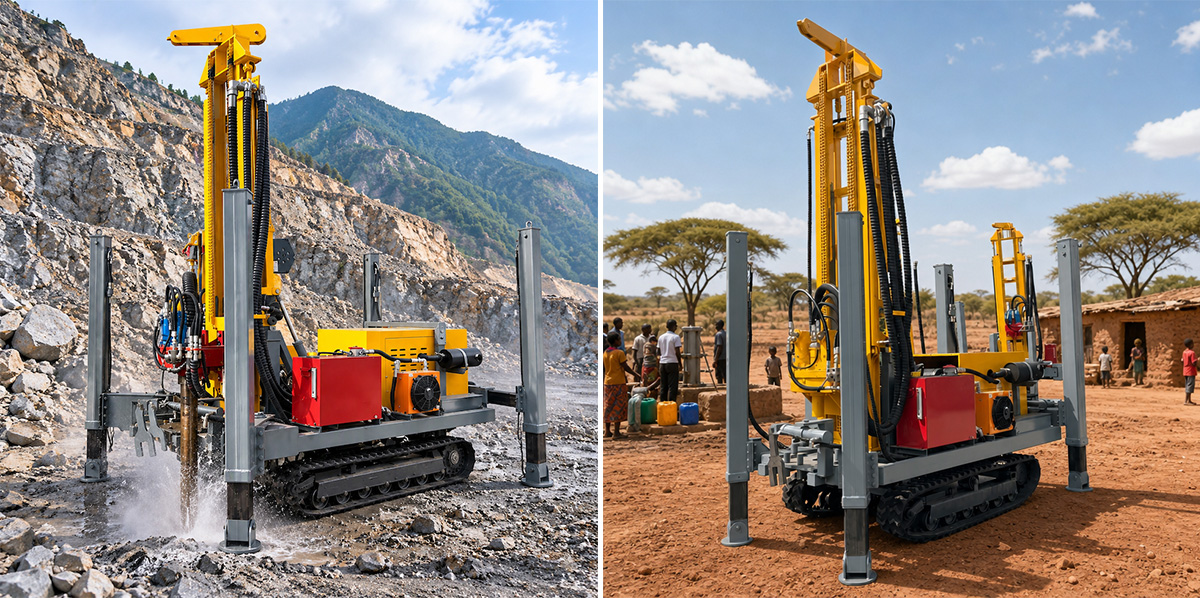
5. Power System and Energy Supply
The power system provides the energy required for drilling, rotation, lifting, and other machine functions.
Insufficient or unstable power supply can affect drilling performance, particularly when equipment operates under demanding conditions.
Diesel-powered water well drilling rigs are commonly used in remote areas where stable electricity is unavailable. They offer flexibility for projects in agricultural areas, rural communities, and remote construction sites.
Electric-powered systems may be suitable for locations with reliable electricity and appropriate supporting infrastructure.
When evaluating a drilling rig, buyers should consider:
Whether the power source matches the project location
Whether the power system supports the required operations
Fuel or electricity availability
Routine maintenance requirements
Operating and energy costs
A suitable power configuration helps maintain stable equipment operation and supports continuous drilling work.
6. Drilling Fluid and Compressed Air Management
Depending on the drilling method, drilling fluid or compressed air plays an important role in removing cuttings from the borehole.
In mud rotary drilling, drilling fluid carries cuttings to the surface, cools the drill bit, and can help stabilize the borehole wall.
Poor fluid circulation or unsuitable drilling fluid properties may cause problems such as slow cuttings removal, borehole instability, or increased drilling resistance.
In DTH drilling, compressed air powers the hammer and helps remove rock fragments from the borehole.
Insufficient air supply, leakage, or an improperly matched compressor can reduce drilling efficiency.
Therefore, the circulation system, mud pump, air compressor, and related accessories should be selected according to the drilling method and geological conditions.
7. Operator Experience and Construction Management
Even with suitable drilling equipment, operator experience and construction management have a significant influence on drilling efficiency.
Deep well drilling requires continuous monitoring of equipment operation, drilling conditions, and tool performance.
Experienced operators can identify changes in drilling resistance, recognize abnormal equipment behavior, and adjust operating procedures when necessary.
Good construction management should include:
Monitoring drilling progress and operating conditions
Checking drill pipes and drilling tools regularly
Maintaining appropriate drilling fluid or air supply
Recording geological changes at different depths
Following equipment operating and maintenance guidelines
Poor operation may lead to unnecessary tool wear, equipment damage, borehole problems, and extended project schedules.
For drilling contractors, operator training and standardized construction procedures are important for maintaining consistent project performance.
8. Equipment Maintenance and Downtime Control
At depths of 300m and beyond, drilling projects may involve extended operating periods. Equipment maintenance therefore becomes an important factor affecting overall efficiency.
Regular inspection helps identify potential problems before they cause unexpected breakdowns.
Important maintenance areas include:
Hydraulic hoses and connections
Engine and power system
Rotary and lifting components
Drill pipes and drill bits
Mud pumps or air compressors
Filters, lubricants, and cooling systems
Spare parts availability is another important consideration for overseas buyers.
If replacement components are difficult to obtain, even minor equipment problems may result in long delays. Buyers should therefore evaluate the manufacturer's technical support, spare parts supply, warranty terms, and maintenance guidance before placing an order.
Reliable after-sales support can help reduce downtime and improve long-term equipment availability.
9. How to Choose Equipment for Deep Well Drilling Projects
When purchasing a 300m or deeper water well drilling rig, buyers should evaluate the complete project rather than focusing on a single specification.
Before making a decision, consider the following questions:
What is the target drilling depth?
What borehole diameter is required?
What geological formations are expected?
Which drilling method is most suitable?
Is diesel or electric power more practical?
Does the project require crawler-mounted or truck-mounted equipment?
What drill pipes, bits, and auxiliary equipment are needed?
What technical support and spare parts services can the manufacturer provide?
Puhua Energy Equipment Technology (Shandong) Co., Ltd. focuses on drilling equipment manufacturing and provides equipment options for different water well drilling requirements.
By sharing project details such as target depth, geological conditions, borehole diameter, and construction location, buyers can communicate more effectively with the manufacturer and identify a suitable equipment configuration.
Drilling efficiency at 300m and beyond depends on several connected factors, including geological conditions, drilling methods, equipment configuration, drill bit selection, power supply, circulation systems, operator experience, and equipment maintenance.
There is no single solution suitable for every deep well drilling project. The most effective approach is to match the drilling rig and its supporting systems to the actual geological conditions and construction requirements.
For overseas drilling contractors and project buyers, careful equipment selection and reliable technical support are essential for improving construction efficiency, reducing downtime, and controlling long-term operating costs.
Contact Puhua Energy Equipment Technology (Shandong) Co., Ltd. to discuss your deep well drilling requirements and explore suitable drilling equipment solutions.
Frequently Asked Questions (FAQ)
1. What Factors Affect Drilling Efficiency at 300m and Beyond?
The main factors include geological conditions, drilling methods, equipment configuration, drill bit selection, power supply, drilling fluid or compressed air management, operator experience, and equipment maintenance.
2. Which Drilling Method Is Suitable for Deep Water Wells?
Common methods include rotary drilling, mud rotary drilling, and DTH hammer drilling. The appropriate method depends on the geological formation, borehole design, and equipment configuration.
3. Can One Water Well Drilling Rig Handle Different Geological Conditions?
Some drilling rigs can work with different drilling tools and methods. However, their suitability depends on machine configuration and supporting equipment. Buyers should confirm local geological conditions with the manufacturer.
4. Why Is Drill Bit Selection Important for Deep Well Drilling?
The drill bit directly affects rock-breaking efficiency, drilling speed, and tool wear. Selecting a bit according to the formation, borehole diameter, and drilling method helps improve drilling performance.
5. Is a Crawler-Mounted or Truck-Mounted Drilling Rig Better?
Crawler-mounted rigs are generally suitable for uneven terrain and difficult site access, while truck-mounted rigs are convenient for transportation between different projects. The best option depends on site conditions and transportation requirements.
6. How Can Drilling Downtime Be Reduced?
Regular maintenance, proper tool selection, trained operators, reliable spare parts supply, and suitable drilling methods can help reduce unexpected downtime and maintain stable operations.