What to Consider When Buying a Solar Pile Driver
As the global solar energy industry continues to expand, efficient photovoltaic (PV) foundation construction has become increasingly important for solar project developers and construction contractors. Installing thousands of foundation piles requires reliable equipment that can deliver consistent performance, adapt to different ground conditions, and support project schedules.
Choosing the right Solar Pile Driver is an important investment decision. The right machine can improve installation efficiency, reduce unnecessary downtime, and help control overall construction costs. However, not every solar piling machine is suitable for every project. Soil conditions, pile specifications, terrain, equipment configuration, and after-sales support should all be considered before making a purchase.
Whether you are purchasing equipment for a utility-scale solar farm, a commercial PV installation, or a project in challenging terrain, understanding these factors will help you select the most suitable solar pile driving solution.
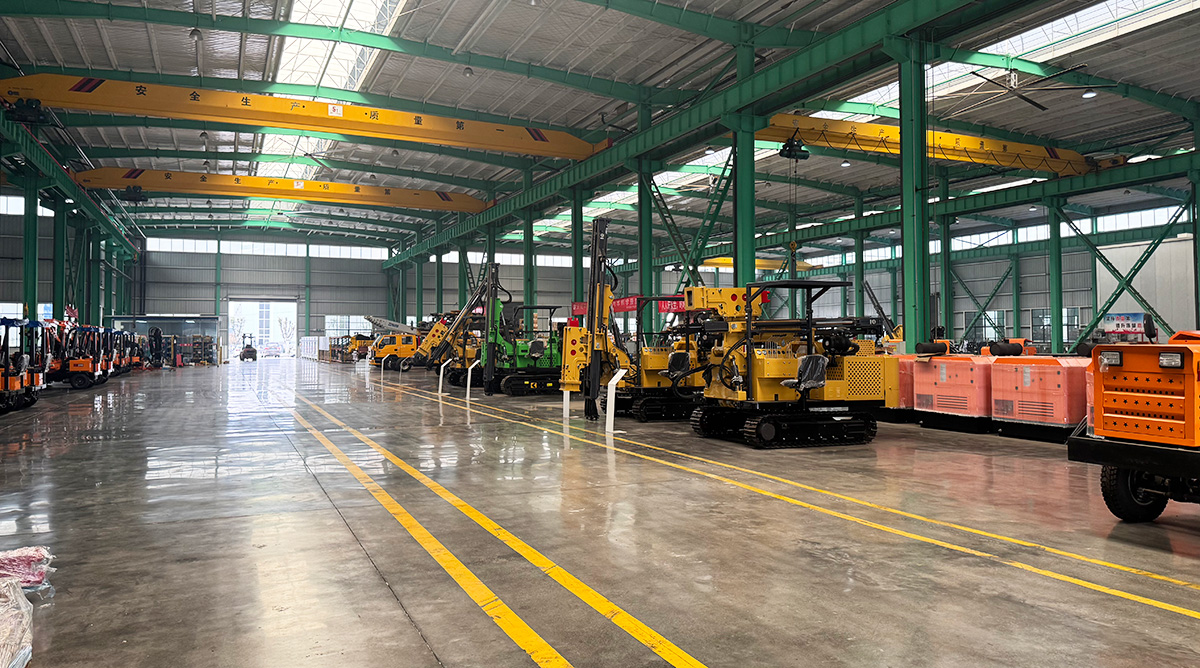
1. Evaluate Soil Conditions and Geological Requirements
Soil conditions are among the most important factors when choosing a Solar Pile Driver. Different geological environments create different levels of resistance during pile installation.
For example, sandy soil may allow relatively easy pile penetration, while compact clay, gravel layers, and rocky ground may require more powerful equipment or additional drilling capabilities.
Before purchasing a Solar Pile Driving Machine, consider conducting a geological survey to identify the soil composition, ground hardness, and expected pile installation depth.
For projects involving mixed soil conditions, equipment with suitable drilling and pile-driving functions can offer greater flexibility. A hydraulic solar pile driver equipped with the appropriate working attachments may help contractors handle a wider range of construction requirements.
Understanding the ground conditions in advance helps avoid selecting equipment that is either insufficient for the project or unnecessarily powerful for the actual workload.
2. Match the Machine to Your Pile Specifications
Solar farms may use different types of foundation piles depending on the engineering design, soil conditions, and mounting system.
Common pile types include C-shaped steel piles, H-shaped steel piles, square piles, and other structural steel sections. Their dimensions, materials, and required installation depths can affect the difficulty of construction.
When comparing a Photovoltaic Pile Driver, confirm that the machine is compatible with your project's pile dimensions and installation requirements.
Important specifications to check include:
- Pile type and cross-sectional dimensions
- Required installation depth
- Drilling diameter, where applicable
- Hammering or impact capability
- Mast height and adjustment range
- Compatibility with the required construction method
It is also important to consider whether the equipment can maintain the required pile positioning and verticality. Matching machine capabilities to engineering requirements helps reduce installation errors and costly rework.
3. Choose the Right Hydraulic Power and Working Configuration
The hydraulic system plays an important role in the performance of a Hydraulic Solar Pile Driver. It powers key machine functions and influences the equipment's ability to perform demanding construction tasks.
When evaluating hydraulic performance, consider the machine's overall power configuration, working pressure, flow requirements, and compatibility with the intended pile-driving or drilling attachments. These specifications should be assessed together rather than judged individually.
You should also examine the machine's main working components, including the power head, hammer system, mast, and guide rail. Their configuration should correspond to the installation method and geological conditions of the project.
For projects that require both drilling and pile driving, a machine with suitable dual-function capabilities may reduce the need to switch between different pieces of equipment.
However, a machine with higher power is not automatically the best choice. The ideal configuration should balance performance, fuel consumption, operating costs, and actual construction requirements.
4. Consider Terrain and Machine Mobility
Solar projects are often located in open fields, deserts, hills, agricultural land, or other areas where ground conditions can vary significantly.
The machine's mobility is therefore another important purchasing consideration.
A Crawler Solar Pile Driver is often suitable for projects where the equipment needs to move frequently across the construction site. Its crawler undercarriage can provide traction and distribute machine weight across the ground, subject to the design of the equipment and the site conditions.
For relatively flat construction sites, other machine configurations may also be appropriate. The best choice depends on ground bearing capacity, slope, access routes, transportation requirements, and the distance between pile positions.
Before purchasing, consider the following questions:
- Can the machine travel across the expected terrain?
- Is its climbing capability suitable for the project?
- Can it move efficiently between pile locations?
- Will its dimensions fit the site's access roads?
- Can it be transported economically to the construction site?
Choosing the correct undercarriage and mobility configuration can help reduce unnecessary relocation time and improve overall project efficiency.
5. Assess Construction Efficiency and Project Scale
The required construction output should influence your equipment selection.
A small commercial solar installation may have different productivity requirements from a utility-scale solar farm involving thousands of foundation piles. Larger projects generally place greater emphasis on continuous operation, efficient movement between pile locations, and minimizing downtime.
When evaluating a Solar Piling Machine, consider the expected number of piles to be installed per day, the working hours available, the geological conditions, and the construction sequence.
Actual productivity depends on several factors, including pile depth, soil resistance, operator experience, equipment setup, and site organization. For this reason, advertised machine performance should be evaluated against realistic working conditions.
If possible, provide the manufacturer with your project specifications and ask for a configuration recommendation. This helps ensure that the selected equipment is suitable for your expected workload rather than relying on general performance claims.
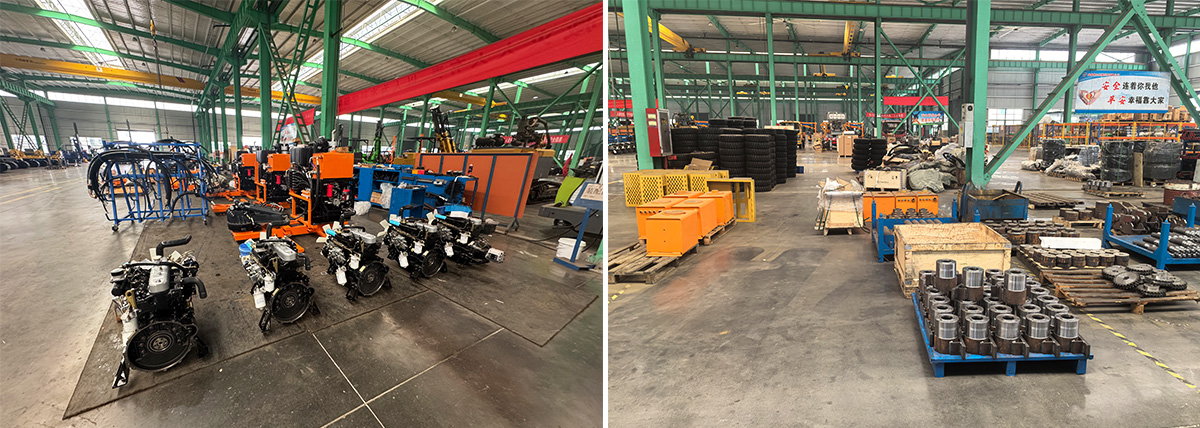
6. Check Machine Reliability and Ease of Maintenance
Equipment reliability directly affects long-term operating costs. Unexpected breakdowns can delay construction, increase repair expenses, and disrupt the schedules of other teams working on the project.
Before buying a Solar Pile Driver, review the accessibility of major components and the manufacturer's recommended maintenance procedures.
Pay attention to the following areas:
- Hydraulic hoses, fittings, and seals
- Engine and cooling system
- Power head and hammer components
- Crawler tracks and undercarriage
- Electrical controls and safety devices
- Availability of commonly required replacement parts
Ask the manufacturer about maintenance intervals, warranty coverage, troubleshooting support, and spare parts availability.
A machine that is straightforward to inspect and maintain can help contractors reduce avoidable downtime throughout the project lifecycle.
7. Evaluate Manufacturer Experience and After-Sales Support
The equipment supplier is just as important as the machine itself. Working with an experienced Solar Pile Driver Manufacturer can help buyers obtain equipment that better matches their project requirements.
Before placing an order, review the manufacturer's product range, technical documentation, production capabilities, and experience supplying equipment for different construction environments.
It is also useful to confirm whether the supplier offers:
- Technical consultation before purchase
- Machine configuration recommendations
- Operating manuals and training support
- Spare parts supply
- Troubleshooting assistance
- Warranty terms and after-sales service
For international buyers, communication efficiency and the ability to coordinate technical support across different time zones may also be important.
A supplier that understands your project requirements can help you make a more informed purchasing decision and reduce uncertainty during equipment selection and operation.
8. Compare Total Cost of Ownership, Not Just Purchase Price
The initial purchase price is an important factor, but it should not be the only consideration.
The total cost of owning a solar pile driver includes transportation, fuel or energy consumption, routine maintenance, replacement parts, operator training, and potential downtime.
A lower-priced machine may not deliver the best long-term value if it is unsuitable for the ground conditions or requires frequent repairs. Similarly, purchasing a machine with capabilities that exceed the project's actual requirements may increase investment and operating costs unnecessarily.
When comparing different Solar Foundation Construction Equipment options, evaluate the expected workload, machine reliability, maintenance requirements, and supplier support together.
For large projects, even small improvements in daily productivity can have a meaningful effect on the overall construction schedule. A balanced assessment of purchase price and operating performance provides a stronger basis for making a cost-effective investment.
9. Confirm Transportation, Delivery, and Customization Options
For international buyers, logistics and delivery arrangements should be considered early in the purchasing process.
Confirm the machine's shipping dimensions, total weight, loading requirements, packaging method, and estimated delivery schedule. These details can affect freight costs and the time needed to mobilize equipment at the project site.
Depending on the project, buyers may also need specific attachments, configuration adjustments, or other customized features.
When discussing an order with a manufacturer, provide clear information about the target country, site conditions, pile specifications, and intended application. This allows the supplier to evaluate whether the requested configuration is practical and compatible with the machine design.
Clear communication before production can help minimize misunderstandings and reduce delays during delivery and commissioning.
10. Use a Practical Checklist Before Purchasing
Before finalizing your purchase, review the following checklist:
1. Ground conditions: Have the soil type and geological requirements been evaluated?
2. Pile compatibility: Does the machine support the required pile type, dimensions, and installation depth?
3. Working configuration: Are the hydraulic system, hammer, power head, and drilling functions suitable for the project?
4. Terrain and mobility: Is the machine appropriate for the site's slopes, access routes, and ground conditions?
5. Productivity: Can the equipment support the expected construction schedule?
6. Maintenance: Are routine servicing and replacement parts manageable?
7. Supplier support: Are technical assistance, warranty terms, and spare parts clearly defined?
8. Total cost: Have transportation, operating expenses, and downtime risks been considered?
9. Delivery: Can the machine be delivered and mobilized within the required timeframe?
Reviewing these points before ordering helps reduce purchasing risks and improves the likelihood of selecting equipment that meets your long-term construction needs.
Buying a Solar Pile Driver requires more than comparing machine prices or individual technical specifications. Soil conditions, pile requirements, hydraulic performance, terrain, construction efficiency, maintenance, and manufacturer support all influence the suitability of the equipment.
For solar EPC contractors, project developers, and equipment distributors, the best investment is a machine that matches the actual construction environment and delivers dependable performance throughout the project.
As a manufacturer of solar piling and drilling equipment, Puhua Energy Equipment Technology (Shandong) Co., Ltd. supports buyers looking for practical solutions for photovoltaic foundation construction. By evaluating your project requirements in advance, you can identify a suitable Solar Pile Driving Machine and make a more informed purchasing decision.
Looking for a Solar Pile Driver for your next PV project? Contact our team with your pile specifications, soil conditions, target installation depth, and project location. We can help you evaluate suitable equipment configurations for your application.