In the global drilling industry, the performance of drilling rigs is closely linked to the selection of appropriate drill tools. Whether you are engaged in mineral exploration, water well construction, or surface mining, choosing drill tools that match your
drilling rig type—such as exploration drilling rigs, water well drilling rigs, and DTH drilling rigs (down-the-hole drilling rigs)—is the key to improving drilling efficiency, reducing costs, and ensuring construction safety. This article will detail the core principles and practical steps for selecting drill tools, helping international buyers avoid common pitfalls and make informed decisions.
Drill tools are the "teeth" of drilling rigs, and their compatibility with the rig model, geological conditions, and construction requirements directly determines the success of the project. For different types of drilling rigs, the selection logic of drill tools varies significantly, which is a point that many foreign buyers easily overlook. Below, we will break down the selection methods for drill tools corresponding to the three most commonly used drilling rig types.

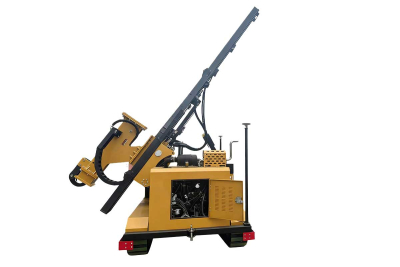
For exploration drilling rigs, the core demand is to obtain accurate geological samples while ensuring drilling efficiency and hole quality. Exploration drilling rigs, including core drilling rigs and geological exploration drilling rigs, are often used in complex stratum environments such as hard rock, broken rock, and soft soil. Therefore, the selected drill tools must have strong wear resistance, high precision, and good stability. Tungsten carbide core bits are the first choice for exploration drilling rigs, as they are made of high-grade alloy steel and premium tungsten carbide inserts, which can effectively crush hard rock formations and maintain the integrity of core samples. In addition, for deep exploration drilling, it is necessary to match high-strength drill rods with good torsion resistance to avoid drill pipe jamming or breaking in the process of long-distance drilling. For soft soil or broken stratum exploration, spiral drill bits with optimized slag discharge channels are more suitable, which can quickly remove cuttings and prevent hole collapse.

Water well drilling rigs, which are widely used in agricultural irrigation, residential water supply, and industrial water extraction projects, have different drill tool requirements. The key for water well drilling rigs is to improve drilling speed and ensure the smoothness of the wellbore, so as to facilitate subsequent well completion operations. For shallow water well drilling (within 100 meters), ordinary carbide drill bits or milled-tooth drill bits can meet the needs, which are cost-effective and suitable for soft soil, sandy soil, and other strata. For deep water well drilling (more than 100 meters) or hard rock strata water well construction, PDC bits or diamond bits are recommended, which have higher wear resistance and penetration rate, and can significantly reduce drilling time. In addition, water well drilling rigs need to match drill tools with efficient flushing systems to ensure that cuttings are effectively removed, preventing bit balling and maintaining stable drilling speed.

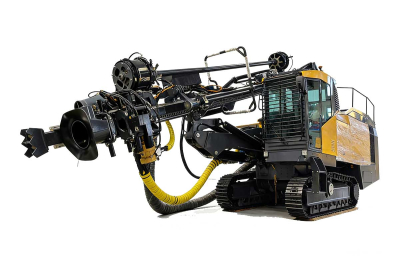
DTH drilling rigs (down-the-hole drilling rigs) are widely used in open-pit mining, quarrying, and foundation construction due to their strong rock-breaking capacity and high drilling efficiency. The selection of drill tools for DTH drilling rigs focuses on matching the DTH hammer model and stratum hardness. DTH button bits are the core drill tools for DTH drilling rigs, which are equipped with strategically placed tungsten carbide buttons to deliver superior penetration rates and extended service life in hard and abrasive rock formations. The diameter of the DTH button bit should be consistent with the drilling rig's output power and the required hole diameter; generally, the diameter ranges from 65mm to 305mm, and custom sizes are available according to project needs. For highly abrasive rock formations, DTH bits with special matrix materials should be selected to avoid premature wear. At the same time, the connection thread of the drill bit must match the DTH hammer (such as COP, SD, DHD series), ensuring a secure fit and avoiding energy loss during drilling.
In addition to matching the drilling rig type, there are three key factors that international buyers need to pay attention to when selecting drill tools: stratum conditions, drilling depth, and cost control. For stratum conditions, soft strata can use drill tools with large slag discharge capacity, hard strata require wear-resistant and impact-resistant drill tools, and broken strata need drill tools with good stability and anti-collapse performance. For drilling depth, shallow drilling can choose simple-structured and cost-effective drill tools, while deep drilling requires drill tools with high strength, wear resistance, and impact resistance to ensure drilling stability. For cost control, it is not advisable to pursue high-priced drill tools blindly; instead, select products with high cost performance according to the project scale and construction cycle, considering both the purchase cost and the service life of the drill tools.

To help international buyers solve common doubts in the selection process, we have sorted out the following frequently asked questions (FAQ):
FAQ 1: Can drill tools of different brands be used interchangeably on the same type of drilling rig?
It is not recommended to interchange them randomly. Although drill tools of the same specification may seem compatible, there are differences in material quality, processing precision, and thread standards among different brands. Random interchange may lead to poor connection, vibration during drilling, damage to the drilling rig or drill tools, and even safety accidents. It is best to choose drill tools that match the brand and model of the drilling rig, or consult the drilling rig manufacturer for professional suggestions.
FAQ 2: How to judge whether the selected drill tool is suitable for the actual stratum condition?
First, conduct a detailed stratum investigation before construction to determine the rock hardness (using Mohs hardness scale), stratum type (soft soil, sandstone, granite, etc.), and whether there are broken zones or faults. Then, select drill tools according to the stratum characteristics: for example, diamond bits are suitable for ultra-hard rock formations, while spiral drill bits are suitable for soft soil and broken strata. In addition, you can conduct a small-scale test drilling before formal construction to observe the drilling speed, wear of the drill bit, and slag discharge effect, and adjust the drill tool type in time if necessary.
FAQ 3: What is the service life of drill tools, and how to extend it?
The service life of drill tools varies according to the material, stratum condition, and operation method, generally ranging from several hundred meters to several thousand meters. To extend the service life, you can do the following: 1. Select drill tools that match the stratum and drilling rig to avoid overload operation; 2. Regularly check the drill tools for wear, deformation, or damage, and replace them in time; 3. Clean the drill tools after use, apply lubricating oil, and store them in a dry and ventilated environment; 4. Operate the drilling rig in accordance with the specifications to avoid violent impact or improper operation that damages the drill tools.
FAQ 4: For DTH drilling rigs, what factors should be considered when selecting DTH button bits?
When selecting DTH button bits for DTH drilling rigs, the key factors include: 1. Compatibility with the DTH hammer model, ensuring that the connection thread matches the hammer (such as API threads) to avoid connection failure; 2. Rock hardness and abrasiveness, selecting the appropriate tungsten carbide button shape (spherical, ballistic, etc.) and face design (flat, convex, etc.) according to the stratum; 3. Drill bit diameter, which should match the required hole diameter and the drilling rig's power; 4. Customization needs, such as adjusting the number of air holes or bit diameter according to the actual construction requirements.
Choosing the right drill tools is a key link in improving the efficiency of drilling projects and reducing costs. For international buyers, understanding the matching relationship between exploration drilling rigs, water well drilling rigs, DTH drilling rigs and their corresponding drill tools, combined with stratum conditions and project needs, can help you select the most suitable products. If you have more questions about drill tool selection, you can consult our professional technical team, who will provide you with personalized solutions based on your specific project conditions.