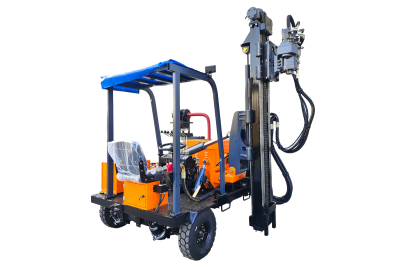
How to Choose the Right Exploration Drilling Rig for Mining Exploration
Choosing the Right Exploration Drilling Rig for Geological and Mining Operations
A high-quality exploration drilling rig can directly improve drilling efficiency, core recovery rate, operational safety and return on investment. Based on market data and professional insights, this article systematically analyzes the market trends, technical parameters, selection criteria and practical applications of exploration drilling rigs, helping international B2B buyers make scientific and rational choices when purchasing mineral exploration drilling rigs and geological core drilling rigs.

1. Market Overview and Industry Trends of Exploration Drilling Rigs
1.1 Core Market Trends
- Full-hydraulic technology becomes mainstreamFull-hydraulic core drilling rigs, featuring more stable torque control, faster drilling speed and smoother operation, are gradually replacing traditional mechanical rigs as the preferred choice for modern exploration operations.
- Popularization of crawler-mounted mobile equipmentCrawler-mounted exploration drilling rigs offer exceptional off-road passability, enabling rapid relocation in mountainous, muddy, rugged and other complex terrains, greatly reducing site preparation and construction setup costs.
- Standardization of wireline coring technologyWireline diamond coring systems are widely adopted in mineral exploration drilling rigs, effectively enhancing core integrity and reducing rod tripping time in deep-hole operations.
- Higher safety and environmental requirementsNew-generation rigs are generally equipped with emergency stop, overload protection, noise reduction and dust suppression systems, complying with international mine safety standards.
- Digital and intelligent upgradingNew drilling rigs integrate real-time monitoring, parameter recording and remote diagnosis functions, reducing downtime and improving construction transparency and management efficiency.
The above trends indicate that buyers selecting exploration drilling rigs for long-term field operations must focus on equipment performance, adaptability, reliability and safety.

2. Core Factors for Selecting an Ideal Exploration Drilling Rig
2.1 Drilling Depth and Core Size
Shallow exploration (≤300 m): Portable or light hydraulic drilling rigs
Medium-deep exploration (300–800 m): Standard NQ/BQ core drilling rigs
Deep exploration (800–1500 m and above): High-torque deep-hole exploration drilling rigs with wireline systems
2.2 Geological Formation and Rock Hardness
Soft to medium-hard rock: Conventional rotary coring drilling rigs
Hard rock, fractured formations: High-torque diamond core drilling rigs with stable feed systems
Complex formations: Full-hydraulic drilling rigs with adjustable rotation speed and pressure
2.3 Mobility and Transportation Conditions
Remote mountainous areas: Crawler-mounted exploration drilling rigs
Areas with convenient road access: Trailer-mounted or truck-mounted drilling rigs
Extreme terrains: Modular drilling rigs that can be disassembled for helicopter transport
2.4 Power System and Fuel Efficiency
Field operations without power grid: Diesel-powered hydraulic exploration drilling rigs
Stable grid at mining area: Electric drilling rigs with lower operating costs
Environmentally sensitive areas: Low-emission engines + noise reduction design
3. Structure and Operational Process of Modern Exploration Drilling Rigs
Standard Drilling Process
Site leveling and equipment positioning
Drill pipe connection and hole opening
Diamond bit rotary drilling
Core breaking and wireline coring
Core extraction and sample preservation
Drill pipe extraction and hole completion
4. FAQ – Frequently Asked Questions by Global Buyers

Whether you need crawler-mounted full-hydraulic exploration drilling rigs, core drilling rigs, portable geological drilling rigs, or deep-hole mineral exploration drilling rigs, partnering with an experienced professional manufacturer will provide you with customized solutions, stable performance and long-term value.