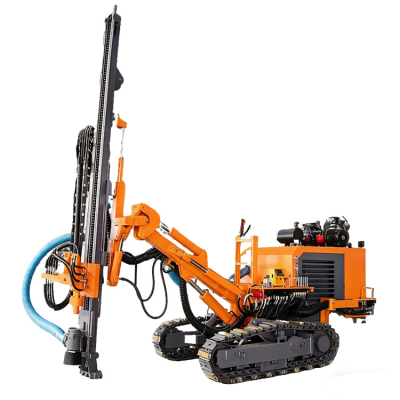
Water Well Drilling Rig Drill Pipe Stuck Solutions
A water well drilling rig is widely used in groundwater exploration, agricultural irrigation, rural water supply projects, geological investigation, and construction applications. During drilling operations, the drill pipe plays a critical role in transmitting rotation power, delivering drilling tools into the underground formation, and ensuring continuous drilling performance.
However, one of the most common challenges operators face is the drill pipe stuck problem. When the drill pipe becomes stuck underground, the drilling operation may stop completely, causing project delays, increased labor costs, and potential damage to drilling equipment.
A stuck drill pipe does not always mean equipment failure. In many cases, it is caused by improper operation, unsuitable drilling parameters, geological changes, or insufficient maintenance.
Understanding the causes of drill pipe sticking and applying proper solutions can help operators reduce downtime and improve the working efficiency of their water well drilling machines.

Common Causes of Drill Pipe Stuck Problems in Water Well Drilling Rigs
1. Borehole Wall Collapse
One of the most common reasons for drill pipe sticking is borehole wall instability.
During drilling, loose formations such as sand, gravel, clay, or fractured rock may collapse into the borehole. When the fallen materials surround the drill pipe, the pipe becomes trapped and cannot move freely.
Common Situations:
Soft soil formations
Unstable sand layers
Underground water flow affecting the borehole
Insufficient drilling fluid support
Solutions:
To prevent borehole collapse, operators should:
Select suitable drilling methods according to geological conditions
Maintain proper flushing circulation
Control drilling speed and pressure
Use appropriate drilling fluids when required
A stable borehole environment is essential for preventing drill pipe sticking.
2. Excessive Drilling Pressure
Applying excessive downward pressure is another common cause of drill pipe sticking.
Many operators increase feeding pressure in an attempt to improve drilling speed. However, excessive pressure may cause the drill bit to penetrate too quickly, resulting in:
Drill bit jamming
Reduced rotation speed
Increased resistance around the drill pipe
Higher risk of equipment damage
Solutions:
Operators should adjust drilling parameters according to actual conditions:
Reduce feeding pressure
Maintain stable rotation speed
Avoid forced drilling in difficult formations
Proper control of drilling pressure can improve drilling efficiency while protecting the drilling tools.
3. Poor Removal of Drilling Cuttings
During drilling operations, broken rock and soil particles must be removed from the borehole through water, air, or drilling fluid circulation.
If drilling cuttings cannot be discharged effectively, they may accumulate around the drill pipe and create additional resistance.
Possible Causes:
Insufficient flushing flow
Blocked circulation channels
Improper drilling fluid selection
Excessive drilling speed
Solutions:
Operators should:
Check flushing system performance
Ensure sufficient water or air supply
Adjust drilling speed
Clean the borehole regularly
Good cutting removal is important for maintaining smooth drilling operations.
4. Incorrect Drill Pipe Operation
Improper operation methods can also lead to drill pipe sticking.
Common Operation Problems:
Sudden Stop During Drilling
Stopping rotation suddenly while the drill bit is under pressure may cause the drill pipe to become locked in the formation.
Excessive Side Pressure
Incorrect control of the drilling direction may increase contact between the drill pipe and borehole wall.
Improper Lifting Operation
Rapid lifting of the drill pipe may cause it to become stuck due to underground resistance.
Solutions:
Operators should:
Keep drilling operations stable
Avoid sudden changes in rotation or feeding
Lift and lower drill pipes smoothly
Monitor drilling conditions continuously
Professional operation skills play an important role in preventing drill pipe failures.
5. Drill Pipe Wear or Deformation
Long-term drilling operations can cause wear, bending, or deformation of drill pipes.
Damaged drill pipes may increase friction inside the borehole and become easier to stuck.
Common Signs:
Increased drilling vibration
Abnormal drilling noise
Difficult pipe connection
Reduced drilling efficiency
Solutions:
Regularly inspect:
Drill pipe straightness
Thread connection condition
Surface wear
Pipe strength
Replace severely damaged drill pipes in time to avoid unexpected downtime.
6. Geological Condition Changes
Different underground formations create different drilling challenges.
During one drilling project, operators may encounter:
Hard rock layers
Fractured formations
Clay layers
Gravel zones
Sudden changes in geological conditions can increase drilling resistance and cause the drill pipe to become stuck.
Solutions:
Before drilling:
Analyze geological information
Select suitable drilling tools
Adjust drilling parameters according to formation changes
Understanding geological conditions helps improve drilling stability.

How to Solve a Stuck Drill Pipe Problem?
When a drill pipe becomes stuck, operators should avoid using excessive force, which may damage the drilling rig or break the drill pipe.
Recommended Troubleshooting Steps:
Step 1: Stop Drilling Operation
Immediately stop rotation and feeding to prevent further damage.
Step 2: Check the Cause
Inspect:
Borehole conditions
Hydraulic pressure
Drill pipe position
Circulation system
Step 3: Apply Controlled Recovery Methods
Possible methods include:
Slowly reversing rotation
Reducing drilling pressure
Improving flushing circulation
Carefully lifting the drill pipe
If the problem cannot be solved, professional technical support should be contacted.
How to Prevent Drill Pipe Sticking in Water Well Drilling Operations?
Prevention is always more effective than repair. Proper maintenance and operation can significantly reduce drill pipe sticking problems.
1. Choose the Right Drilling Tools
Different geological conditions require different drill bits and drill pipes.
Selecting suitable drilling tools helps:
Reduce drilling resistance
Improve penetration efficiency
Extend equipment life
2. Maintain Proper Drilling Parameters
Operators should always monitor:
Rotation speed
Feeding pressure
Drilling depth
Flushing performance
Avoiding overload operation can reduce the risk of drill pipe problems.
3. Perform Regular Equipment Maintenance
Daily maintenance should include:
Checking drill pipe condition
Inspecting hydraulic systems
Lubricating moving parts
Cleaning drilling components
Regular maintenance improves the reliability of the water well drilling rig.
Reliable Water Well Drilling Solutions from Puhua
As a professional drilling equipment manufacturer, Puhua Energy Equipment Technology (Shandong) Co., Ltd. specializes in the research, development, and production of high-quality drilling equipment.
The company provides various drilling solutions, including:
Water well drilling rigs
Hydraulic drilling rigs
Small tracked drilling rigs
Exploration drilling rigs
Customized drilling equipment
With advanced manufacturing technology and strict quality control, Puhua drilling equipment is designed to provide:
Strong drilling performance
Stable operation
Easy maintenance
Long service life
Whether used for agricultural irrigation, rural water supply, geological exploration, or engineering construction, Puhua drilling machines help customers complete projects efficiently and reliably.
FAQ About Water Well Drilling Rig Drill Pipe Problems
Q1: Why does the drill pipe get stuck during water well drilling?
The main causes include borehole collapse, excessive drilling pressure, poor cutting removal, improper operation, drill pipe damage, and complex geological conditions.
Q2: What should I do when the drill pipe is stuck?
Stop drilling immediately, check the cause, reduce pressure, improve flushing, and carefully attempt recovery. Avoid forcing the drill pipe.
Q3: How can I prevent drill pipe sticking?
Using suitable drilling tools, controlling drilling parameters, maintaining proper flushing, and performing regular inspections can effectively reduce sticking problems.
Q4: Can a stuck drill pipe damage a water well drilling rig?
Yes. If handled incorrectly, a stuck drill pipe may damage drill rods, hydraulic components, rotation systems, or other key parts of the drilling rig.
The drill pipe stuck problem is one of the most common challenges in water well drilling operations. It can be caused by unstable formations, excessive drilling pressure, poor cutting removal, equipment wear, or improper operation.
By understanding the causes and applying correct troubleshooting methods, operators can reduce downtime, improve drilling efficiency, and extend the service life of their equipment.
As an experienced water well drilling rig manufacturer, Puhua Energy Equipment Technology (Shandong) Co., Ltd. continues to provide reliable and efficient drilling solutions for global customers, helping complete groundwater development and engineering projects successfully.