Water Well Drilling Rig Not Drilling: Causes & Fixes
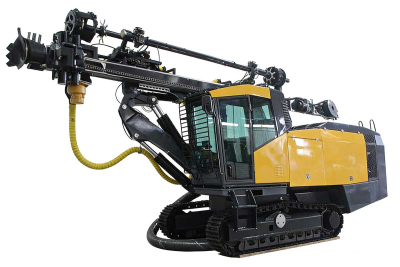
A water well drilling rig is an important piece of equipment used in groundwater projects, agricultural irrigation, rural water supply, geological exploration, and construction engineering. With strong drilling capability and flexible operation, modern drilling rigs can work efficiently in different geological conditions.
However, during daily operations, many operators may encounter a common problem: the water well drilling rig is running, but it cannot drill normally. The equipment may have power, the engine may be working, and the drilling tools may rotate, but the drilling speed becomes extremely slow or the machine cannot penetrate the ground.
A drilling failure can reduce work efficiency, increase operating costs, and delay project schedules. Understanding the reasons behind drilling problems and applying correct troubleshooting methods can help operators quickly restore equipment performance.
This article explains the most common reasons why a water well drilling rig is not drilling and provides practical solutions for operators.

1. Insufficient Drilling Power
One of the most common reasons a water well drilling rig cannot drill effectively is insufficient power output.
During drilling operations, the machine requires enough torque, hydraulic pressure, and feeding force to overcome underground resistance. When power transmission is insufficient, the drill bit cannot penetrate the formation effectively.
Common Causes:
1. Hydraulic System Pressure Is Too Low
Many modern hydraulic water well drilling rigs rely on hydraulic systems to provide rotation, lifting, and feeding power. If hydraulic pressure decreases, the drilling head may lose torque and the machine may fail to continue drilling.
Possible causes include:
Low hydraulic oil level
Dirty hydraulic oil
Blocked hydraulic filter
Hydraulic pump wear
Hydraulic valve failure
Solutions:
Check hydraulic oil level before operation
Replace contaminated hydraulic oil
Clean or replace hydraulic filters
Inspect hydraulic pumps and valves regularly
Maintaining a stable hydraulic system is essential for ensuring continuous drilling performance.
2. Incorrect Drill Bit Selection
The drill bit directly affects drilling efficiency. Different geological conditions require different types of drill bits.
Using an unsuitable drill bit may cause:
Slow drilling speed
Excessive wear
Drill bit slipping
Difficulty penetrating hard formations
For example, soft soil, clay, sand, and hard rock require different drilling tools. A bit designed for soft formations may not perform well in rock layers.
Solutions:
Operators should select appropriate drilling tools based on:
Soil conditions
Rock hardness
Required drilling depth
Drilling method
Choosing the correct drill bit can significantly improve the performance of a water well drilling machine.
3. Worn or Damaged Drill Tools
Long-term drilling operations can cause wear on drill rods, drill bits, and other drilling components.
Common Symptoms:
Reduced drilling speed
Increased vibration
Abnormal drilling noise
Poor penetration ability
When drilling tools become severely worn, the drilling rig must work harder but achieves lower efficiency.
Solutions:
Regularly inspect:
Drill bit teeth
Drill rods
Connections
Rotation components
Replace damaged parts in time to avoid further equipment problems.
4. Improper Drilling Parameters
Correct operation is critical for achieving efficient drilling. Many drilling problems are caused not by equipment failure but by incorrect operating parameters.
Common Operation Mistakes:
Excessive Feeding Pressure
Applying too much downward pressure may overload the drilling system, causing the drill bit to become stuck or reducing rotation speed.
Incorrect Rotation Speed
Different geological conditions require different rotation speeds. Excessive speed may cause tool damage, while insufficient speed reduces drilling efficiency.
Poor Mud or Air Circulation
During certain drilling methods, proper circulation is needed to remove drilling debris. Poor circulation may cause the drill hole to become blocked.
Solutions:
Operators should adjust:
Rotation speed
Feeding pressure
Drilling depth
Flushing system
according to actual geological conditions.
5. Drill Pipe Stuck Problem
A stuck drill pipe is another common reason why a water well drilling rig stops drilling.
Possible Causes:
Excessive drilling pressure
Collapse of the borehole wall
Poor removal of drilling debris
Incorrect operation methods
When the drill pipe becomes stuck, continuing operation may damage the drilling tools or hydraulic system.
Solutions:
Operators should:
Reduce drilling pressure
Reverse rotation carefully
Improve flushing efficiency
Check geological conditions
Preventing drill pipe sticking is an important part of efficient drilling operations.
6. Engine or Power System Problems
For diesel-powered water well drilling rigs, engine performance directly affects drilling capability.
Common Engine Problems:
Insufficient fuel supply
Dirty fuel filter
Air entering the fuel system
Engine power decline
Poor maintenance
If the engine cannot provide enough power, the entire drilling system will lose performance.
Solutions:
Regularly check:
Engine oil level
Fuel quality
Air filter
Cooling system
Fuel system
Proper engine maintenance helps ensure stable operation in remote drilling environments.

How to Prevent Water Well Drilling Rig Drilling Failures?
Preventive maintenance is more effective than repairing equipment after failure. Regular inspection and proper operation can greatly reduce downtime.
1. Perform Daily Inspection Before Operation
Operators should check:
Hydraulic oil level
Engine condition
Drill tools
Hydraulic hoses
Fasteners
Lubrication points
Early detection of small problems can prevent major equipment failures.
2. Follow Proper Operating Procedures
Professional operation can improve drilling efficiency and protect equipment.
Operators should:
Select suitable drilling parameters
Avoid overload operation
Monitor machine conditions during drilling
Stop and inspect when abnormal problems occur
3. Choose Reliable Drilling Equipment
Equipment quality plays an important role in drilling performance.
A reliable water well drilling rig manufacturer provides machines with:
Stable hydraulic systems
Strong drilling capability
Durable components
Professional technical support
Reliable Water Well Drilling Solutions from Puhua
As a professional drilling equipment manufacturer, Puhua Energy Equipment Technology (Shandong) Co., Ltd. specializes in the research, development, and production of high-quality drilling equipment.
The company provides various drilling solutions, including:
Water well drilling rigs
Hydraulic drilling rigs
Small tracked drilling rigs
Exploration drilling rigs
Customized drilling equipment
With advanced manufacturing technology and strict quality control, Puhua drilling equipment is designed to deliver:
Strong drilling performance
Stable operation
Easy maintenance
Adaptability to various working environments
From agricultural irrigation wells and rural water supply projects to geological exploration and engineering applications, Puhua helps global customers complete drilling projects more efficiently.
FAQ About Water Well Drilling Rig Problems
Q1: Why is my water well drilling rig running but not drilling?
The most common reasons include insufficient hydraulic pressure, worn drill tools, incorrect drilling parameters, unsuitable drill bits, or engine power problems.
Q2: How can I improve the drilling speed of my water well drilling rig?
Improving drilling speed requires selecting suitable drilling tools, maintaining hydraulic performance, adjusting drilling parameters, and ensuring proper equipment maintenance.
Q3: What should I check first when a drilling rig stops working?
First check the hydraulic system, power supply, drill tools, and operating parameters. A step-by-step inspection can help quickly locate the problem.
Q4: How often should a water well drilling rig be maintained?
Maintenance frequency depends on working conditions and operation intensity. Regular inspection and maintenance according to manufacturer recommendations can extend equipment life.
When a water well drilling rig is not drilling, the problem may come from hydraulic system failures, drilling tools, engine performance, or incorrect operation methods.
By understanding common failures and applying effective troubleshooting methods, operators can reduce downtime, improve drilling efficiency, and extend machine service life.
As an experienced water well drilling rig manufacturer, Puhua Energy Equipment Technology (Shandong) Co., Ltd. continues to provide reliable and efficient drilling solutions for customers worldwide, helping complete water resource development and engineering projects successfully.